
Contents
Overview
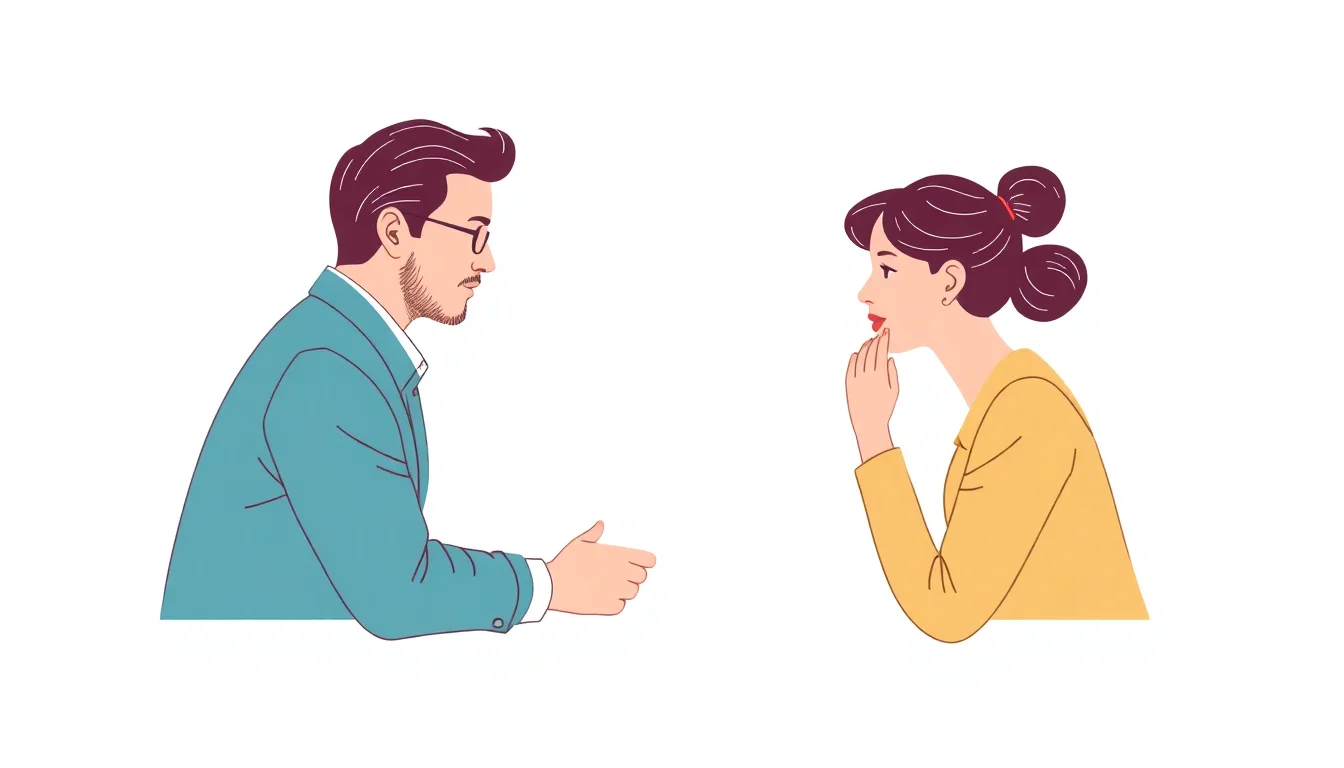
Navigating disagreements is a cornerstone of building strong relationships and fostering personal growth, especially within communities focused on connection and mutual support. It's about more than just ending a dispute; it's a dynamic process of understanding differing perspectives, managing emotions, and finding common ground. This approach emphasizes active listening, empathy, and clear communication as tools to transform potential rifts into opportunities for deeper connection and learning. By engaging with conflict constructively, individuals can enhance their emotional intelligence, strengthen their social skills, and contribute to a more harmonious and supportive environment for everyone involved. The goal is not to avoid conflict, but to approach it with intention and care, ensuring that every interaction, even a challenging one, reinforces the bonds of community and personal development.
🎵 Origins of Understanding
The roots of navigating disagreements stretch back to humanity's earliest social structures, where communal harmony was essential for survival. The emphasis has always been on facilitating dialogue and understanding, moving away from retribution towards reconciliation and mutual growth, a core tenet echoed in modern community-building initiatives.
⚙️ The Mechanics of Connection
At its heart, navigating disagreements involves a multi-layered approach that addresses cognitive, emotional, and behavioral dimensions. Cognitively, it's about shifting perspectives—understanding why someone holds a certain belief, even if you don't share it. This often involves active listening techniques, where the focus is on truly hearing and acknowledging the other person's viewpoint without immediate judgment. Emotionally, it's about managing one's own feelings—recognizing triggers, practicing emotional regulation, and responding rather than reacting. Behaviorally, this translates into constructive actions like negotiation, mediation, or collaborative problem-solving, aiming for outcomes that satisfy the needs of all parties involved, fostering a sense of shared accomplishment and reinforced trust.
📊 The Numbers Behind Harmony
While precise global statistics on everyday conflict navigation are elusive, the impact of unresolved conflict is significant. Individuals who report higher levels of relationship conflict also tend to experience lower levels of overall life satisfaction and well-being. Conversely, communities that actively foster skills in interpersonal communication and empathy often report higher levels of social cohesion and collective efficacy.
👥 Key Voices in Connection
Pioneers in peace studies provided theoretical frameworks for understanding and resolving deep-seated conflicts. The creator of Nonviolent Communication (NVC) provided practical tools for empathetic dialogue that are widely adopted in therapeutic settings, educational institutions, and community groups. Organizations disseminate best practices in alternative dispute resolution and foster a global network of conflict resolution professionals.
🌍 Resonance Across Communities
The practice of navigating disagreements resonates deeply across diverse cultural landscapes, shaping social norms and community structures. In many East Asian cultures, for instance, emphasis is placed on harmony and indirect communication to preserve relationships, often utilizing elders or community leaders as mediators. Conversely, some Western cultures may favor more direct confrontation and explicit negotiation. The global spread of mindfulness practices and emotional intelligence training has provided new avenues for individuals worldwide to develop self-awareness and empathy, crucial components for constructive conflict engagement. These practices are increasingly integrated into educational curricula and corporate training programs, reflecting a growing recognition of their universal value.
⚡ Current Currents of Connection
Platforms are emerging that use AI to analyze communication patterns and suggest de-escalation strategies, though concerns about privacy and algorithmic bias persist. There's also a growing emphasis on restorative justice practices, moving beyond punitive measures to focus on repairing harm and reintegrating individuals within communities. This is particularly evident in educational settings and juvenile justice systems, where the goal is to foster accountability and healing rather than simply punishment. The ongoing development of online dispute resolution (ODR) tools continues to expand access to conflict resolution services, making them more convenient and affordable for a wider population.
🤔 Points of Contention
One persistent debate revolves around the efficacy of different resolution methods. Critics sometimes argue that mediation can be ineffective when power imbalances are significant, potentially leading to unfair outcomes for the less powerful party. Another point of contention is the extent to which conflict is inherently negative versus a potentially positive catalyst for change; some scholars argue that 'destructive conflict' should be avoided. The integration of AI into conflict resolution also sparks debate, with some hailing its potential for efficiency and others fearing the loss of human empathy and nuanced understanding in sensitive interpersonal matters.
🔮 The Path Forward
The future of navigating disagreements likely involves a hybrid approach, blending human-centered empathy with technological efficiency. We can anticipate further integration of digital mediation tools, potentially incorporating virtual reality for immersive negotiation simulations. There's also a growing movement towards preventative conflict engagement, focusing on building strong foundational communication skills and emotional resilience from an early age through comprehensive social-emotional learning programs in schools. Experts predict a rise in specialized conflict navigators, akin to therapists or coaches, who can guide individuals and groups through complex disputes, ensuring that growth and connection remain the ultimate objectives.
💡 Putting It Into Practice
Applying these principles in daily life can transform challenging interactions. For instance, when a disagreement arises with a friend, instead of immediately defending your position, try active listening to understand their perspective fully. Ask clarifying questions like, "Can you tell me more about why that's important to you?" Practice self-awareness to recognize when emotions are escalating and take a brief pause if needed. When mediating a discussion between family members, focus on identifying shared goals before diving into specific issues. In professional settings, using structured negotiation techniques can help ensure all parties feel heard and that solutions are equitable and sustainable, ultimately strengthening team cohesion and productivity.
📚 Exploring Further
To delve deeper into the art of navigating disagreements, explore the foundational concepts of Nonviolent Communication by Marshall B. Rosenberg, which offers practical language for expressing needs and feelings. Understanding game theory can provide insights into strategic negotiation, while studying social psychology sheds light on group dynamics and interpersonal influence. For those interested in br
Key Facts
- Category
- social-skills
- Type
- topic